Quote engineering plastics —
with cutting data that fits the material.
PEEK, POM, PA and the like machine differently from steel. goCAD calculates with material-specific, non-linear models, nests plate parts with holding tabs and allocates expensive stock per part — for milled and turned plastic parts, from prototype to series.
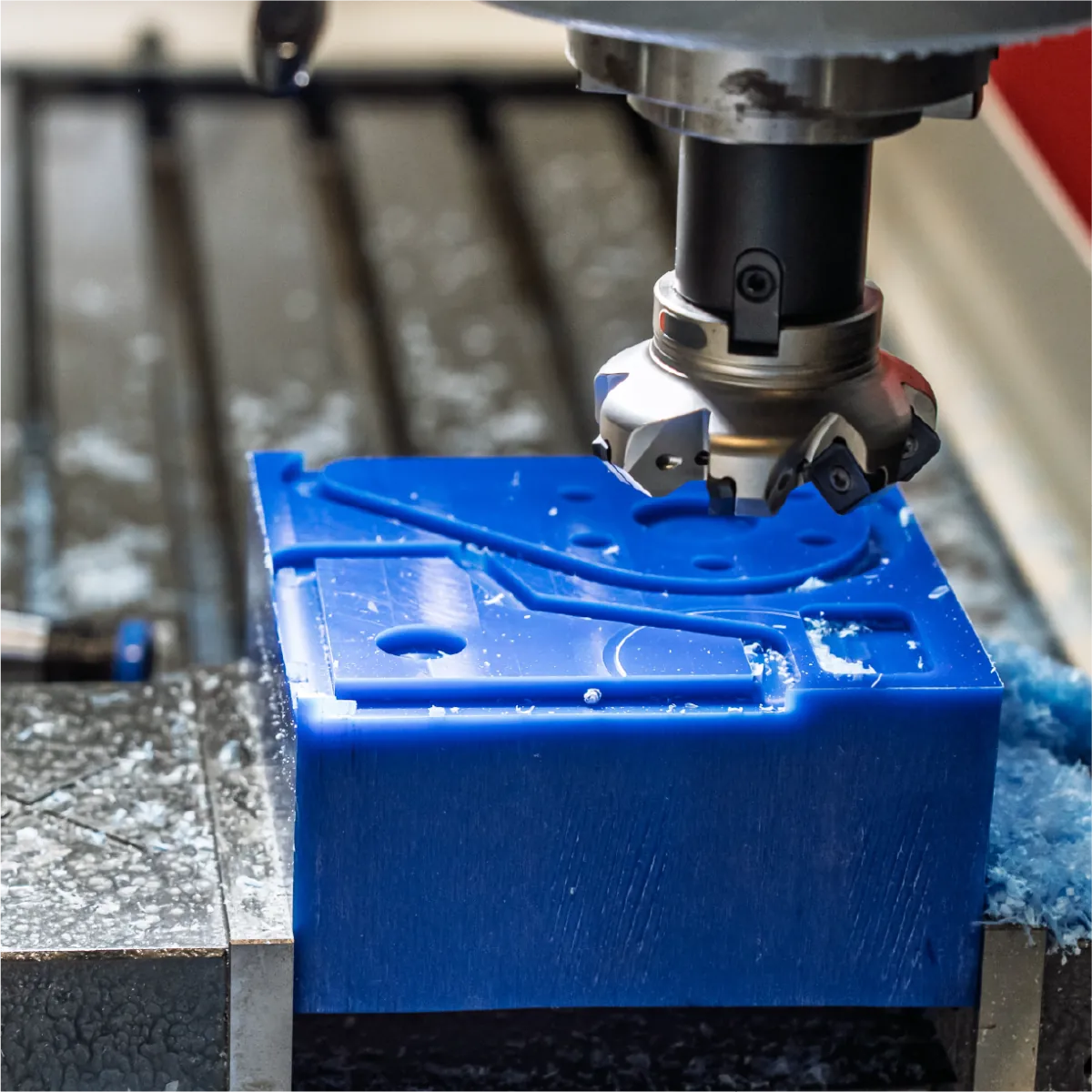
Plastic is not soft steel — and neither is its quote.
Quoting plastic parts with metal cutting data and an adjusted hourly rate is systematically wrong: sometimes too expensive and the order is gone, sometimes too cheap and so is the margin. Four reasons:
Non-linear cutting data
Optimal cutting speed and feed depend heavily on the material — and do not scale linearly from metal values.
Heat & clamping
Up to ten times the thermal expansion of steel, distortion when clamping thin walls, annealing between roughing and finishing.
Expensive stock
With high-performance plastics such as PEEK, material often drives the price more than run time — scrap matters.
Plate, rod, tube
Plate parts are nested and cut on gantry mills, turned parts come from rod or tube — every stock form needs its own rules.
Cutting data from practice — not from the metal table.
Together with Ensinger, one of the leading manufacturers of engineering plastics, we developed adapted, non-linear calculation parameters — for Ensinger materials such as TECAPEEK and TECAFORM and for comparable plastics from other suppliers.
Tool life, feed, rework and density flow into the run time per material. You always see how the plastics approach changes time and price compared with metal logic.
Material per part — as precise as the run time.
goCAD nests plate parts automatically on the stock and calculates run time and material for the whole plate — allocated to the individual parts.
- Minimum gaps & tool radius — the cutter diameter sets the spacing between parts
- Holding tabs — parts stay in the plate until the end, rework is included
- Remnant management — usable remnants go back to stock and into the next nest
- Strategies per material — depth of cut, climb or conventional milling and cooling matched to the plastic
From POM to PEEK — every material with its own rules.
A selection of the materials goCAD quotes — unfilled as well as glass- or carbon-fibre reinforced. You maintain your own materials, stock formats and purchase prices in the master data.
Quoting plastic parts — answers.
Why can't plastic parts be quoted like metal parts?
Which plastics can goCAD quote?
How does goCAD handle material costs for plates?
Which plan includes engineering plastics?
Plastic, metal, sheet — in one quote.
Plastic parts rarely come alone: goCAD quotes metal parts, sheet metal and complete assemblies on the same platform.
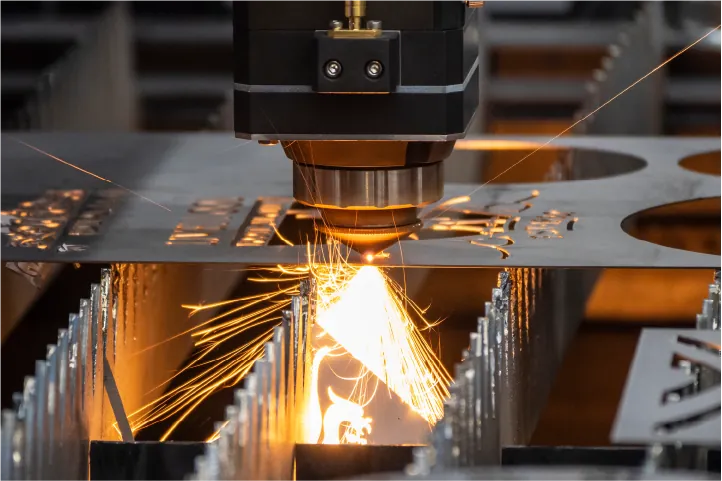 Laser · Bending · Tube
Sheet metal & tube
Laser cutting, punching, bending, tube laser and welded assemblies — with nesting and standard-part recognition.
- Laser · punching · bending
- Tube laser & profiles
- Nesting & remnants
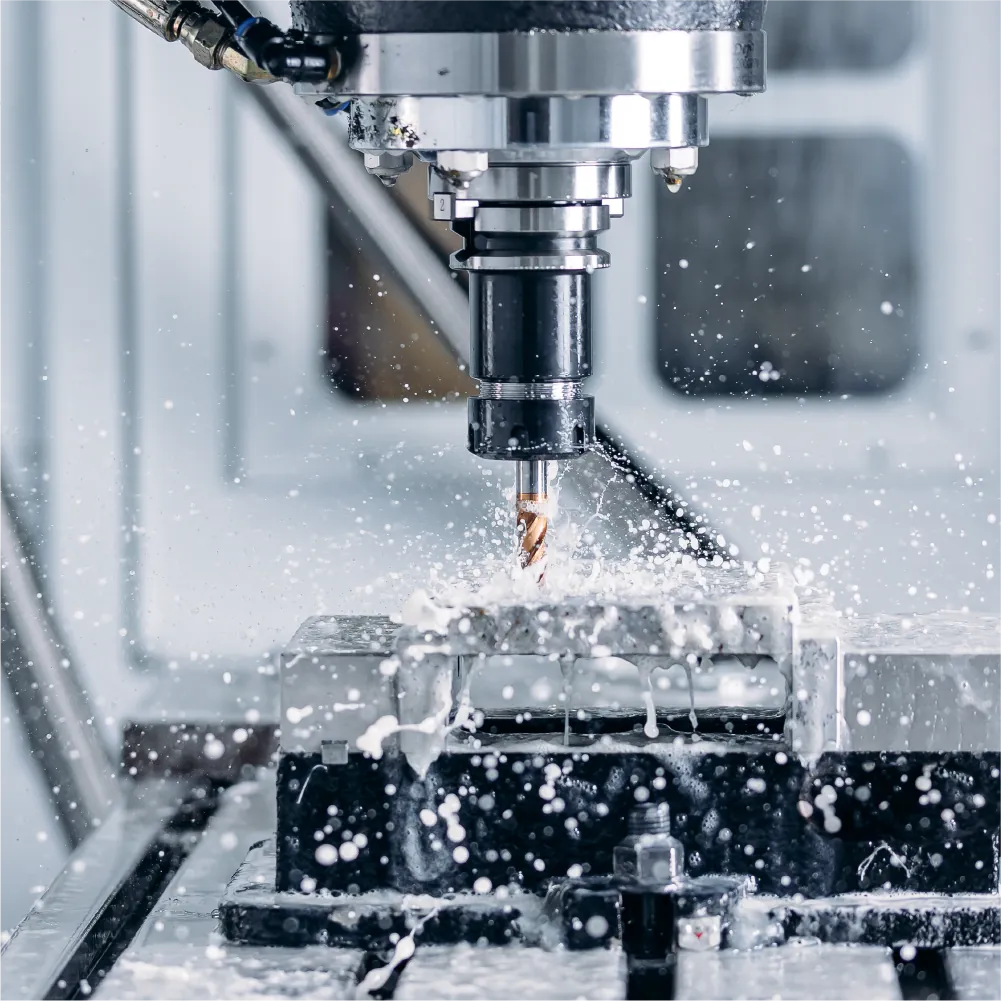 Milling · Turning · Castings
CNC machining
Milled, turned and mill-turn parts, machined castings and steel beams — with CAM simulation and real cutting data.
- 3- & 5-axis milling · turning
- Machined castings
- Steel beams & sawing
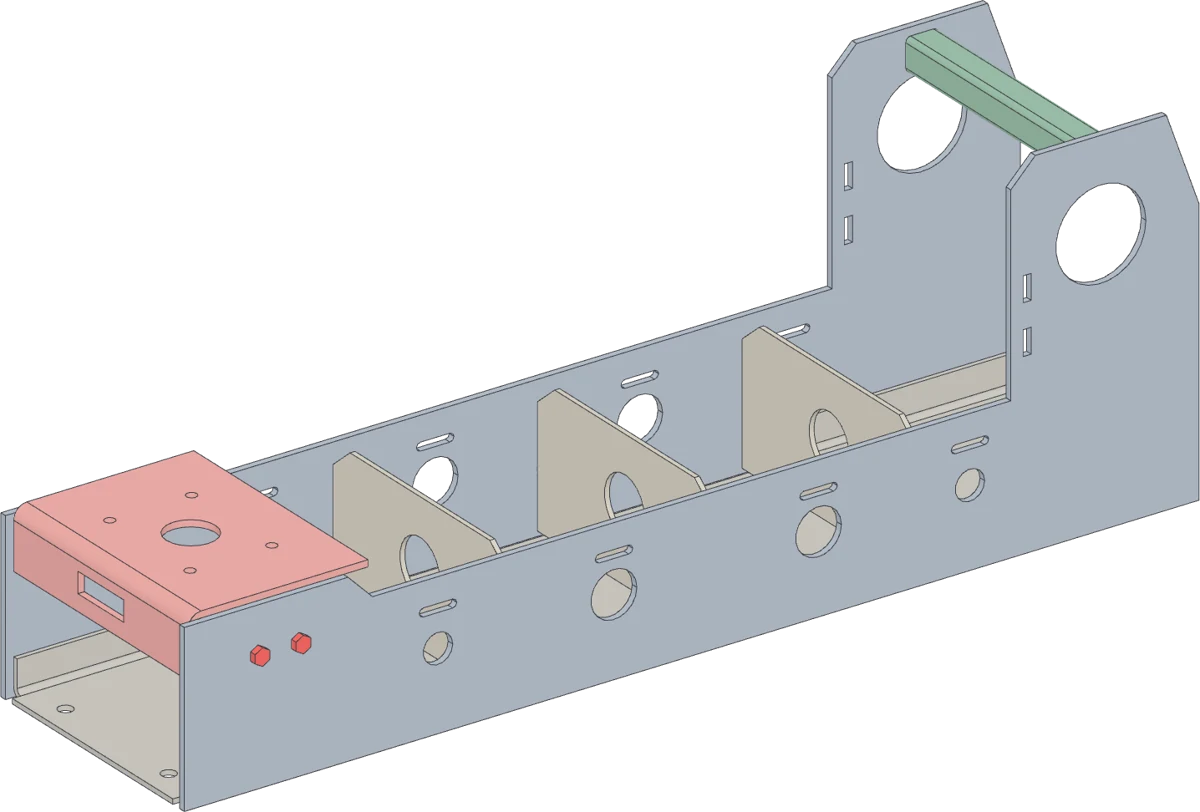 Steel construction · Fabrication
Metal fabrication
Welded assemblies, beams, tubes and sheets from one STEP file — including coating and assembly.
- Welded assemblies
- Beams, tubes & sheets
- Powder · galvanising · assembly
Quote your own plastic parts with goCAD.
Send us two or three typical parts — we show you in a call how goCAD quotes them and compare against your actual times.